
British households gave £14 billion to charity last year. It's roughly the same amount we lost to gambling – £14.2 billion in gross gambling yield in 2022-23, according to the Gambling Commission. We gave about as much to charity as we handed to bookmakers.
It used to be more. And the direction it's heading should worry anyone who depends on, works for, or cares about the charity sector.
The headline numbers
The Charities Aid Foundation's 2026 UK Giving Report recorded total public donations of £14 billion in 2025 – down nearly 10% from £15.4 billion the previous year. It's the first fall since 2021.
Spread across the UK's 28 million households, that's about £500 per household per year. Roughly £9.60 a week. Less than two coffees.
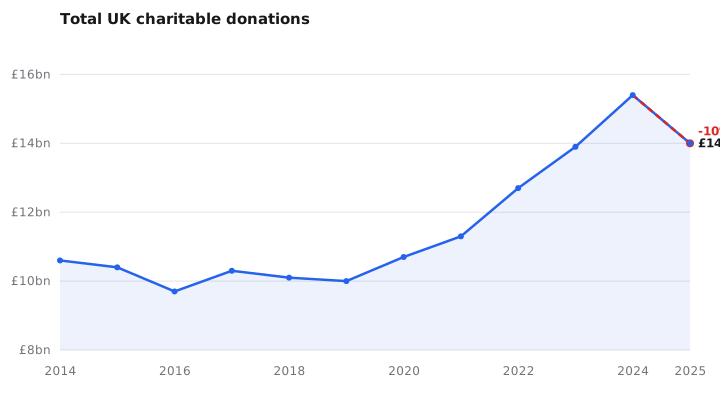
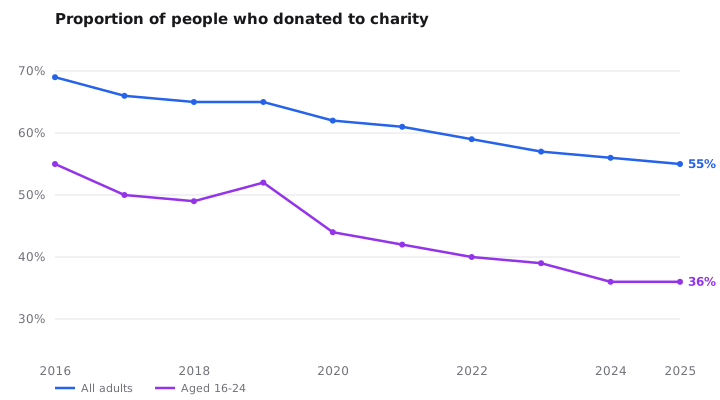
The more alarming trend is who's giving. In 2016, 69% of people donated to charity. By 2025, that had fallen to 55% – approximately four million fewer donors in six years. CAF estimates the sector has missed out on £12.4 billion over the decade from declining donor numbers alone: nearly an entire year's worth of giving, vanished.
What £14 billion looks like in context
Put £14 billion next to the other things we spend money on and it starts to feel smaller.
UK households spend roughly £46 billion a year on alcohol. About £96 billion on restaurants and takeaways. Around £9 billion on streaming subscriptions. We spend more on our pets – about £9 billion – than the gap between what charities need and what they receive.
The UK defence budget is around £54 billion and rising to 2.5% of GDP by 2030. HS2, a single rail project, has cost £66 billion and counting. Total charitable donations – the combined generosity of every person and household in the country – amount to about a quarter of the defence budget.
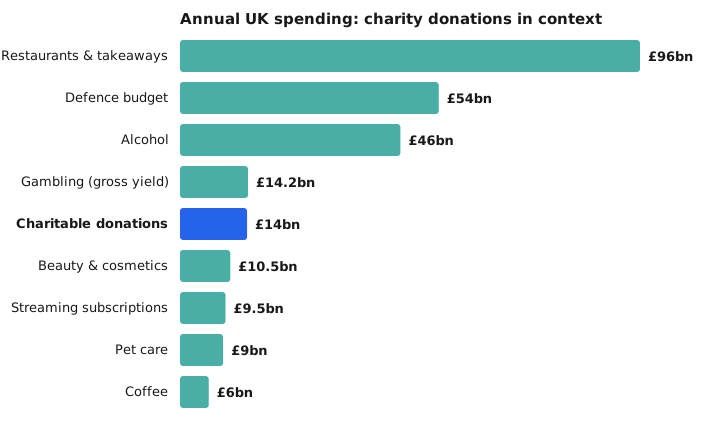
None of this is to say we should spend less on any of these things. The point is scale. When politicians and commentators describe Britain as a generous nation, it helps to know what the number actually is and where it sits relative to everything else.
Where the money comes from – and where it's going
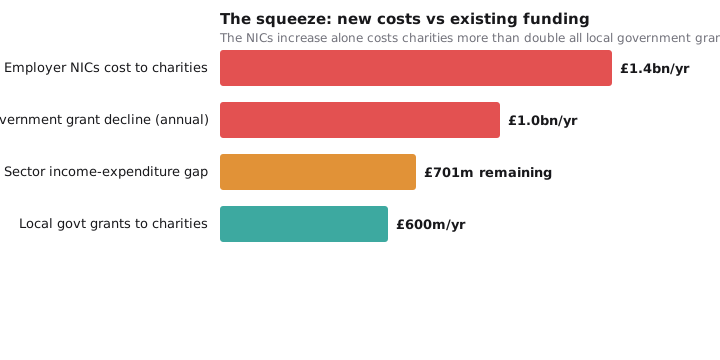
Individual giving is only part of the picture. Government grants make up 26% of total charity income, down from 30% in 2020-21 – a decline of roughly £1 billion per year in real terms. Local government, which provides 44% of all government funding to charities, faces its own crisis: three-quarters of councils expected financial pressure in 2025-26. Edinburgh's Integrated Joint Board announced plans to cut its entire £4.5 million third-sector grant programme, putting more than 60 charities at risk.
Then came the cost shock. The Autumn Budget 2024 raised employer National Insurance contributions from 13.8% to 15% and cut the threshold from £9,100 to £5,000. NCVO estimates this will cost the charity sector £1.4 billion annually. To put that in perspective: the entire annual local government grant contribution to charities is £600 million. The NICs increase alone costs charities more than double that.
The Charity Finance Group's post-budget survey found 87% of charities are concerned about affordability, 61% expect staff reductions, and 55% anticipate redundancies.
The deficit is already here
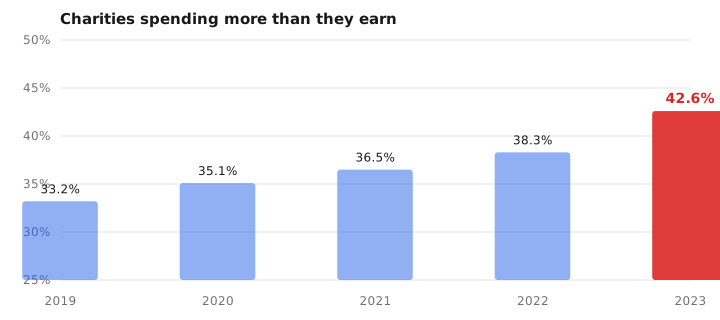
The Charity Commission's 2025 Risk Assessment found that 42.6% of charities reported expenditure exceeding income – nearly half the sector running a deficit. That's up from 38.3% in 2022, and the trend has been worsening for five years.
The gap between total sector income and expenditure narrowed by 77% in two years, from £3 billion to just £701 million. For charities with income below £500,000, collective outgoings now exceed income entirely.
Commission cases involving insolvency or financial difficulty nearly doubled from 98 in 2022-23 to 184 in 2023-24. Grant Thornton found 45% of charities are drawing on reserves to maintain services. In the first half of 2025 alone, more than 20 charities closed, restructured, or were forced to cut services.
Meanwhile, demand is surging. The Trussell Trust distributed 2.9 million emergency food parcels in 2024-25 – one every 11 seconds. Citizens Advice reported its busiest year on record. The proportion of the public receiving direct support from charities tripled from 3% to 9% in five years.
The generation gap
Among 16-24 year olds, the proportion who donated fell from 52% in 2019 to just 36% in 2024.
One in five people now cite inability to afford donations as the primary barrier. For a generation facing housing costs, student debt, and stagnant entry-level wages, charitable giving is one of the first discretionary expenses to go.
If younger cohorts don't develop giving habits, the decline isn't cyclical – it's structural. The donor pipeline itself is thinning.
What can be done
None of this is a reason for fatalism. Three things can help.
Give effectively. The Charities Aid Foundation and organisations like the Effective Giving network help direct donations where they create the most impact. Even modest amounts matter – especially when targeted well.
Give skills, not just money. For professionals with expertise charities need – strategy, technology, design, marketing – giving time at affordable rates can be as transformative as cash. Platforms like Rendered exist precisely to make this kind of professional support accessible and accountable, at rates charities can actually afford.
Support the infrastructure, not just the frontline. The organisations that help charities operate – technology, back-office support, governance, communications – are the force multipliers. When a charity gets a decent website or a workable CRM for the first time, the impact compounds for years.
The sector's finances are in the most challenging state in a generation. But the need for what charities do has never been clearer. The question isn't whether the work matters – it's whether we'll fund it.
Data sources: Charities Aid Foundation UK Giving Report 2026, Charity Commission Annual Risk Assessment 2025, NCVO, Charity Finance Group, Grant Thornton 2025, Gambling Commission, ONS Consumer Trends, Trussell Trust, Citizens Advice. Explore the data yourself with our Charity Funding Explorer.
Interested in what we're building?
Rendered connects skilled professionals with nonprofits for meaningful, paid project work.
Stay in the loop
Observations on matching professionals with nonprofits that need their skills. No spam. Unsubscribe anytime.